August 20, 2026
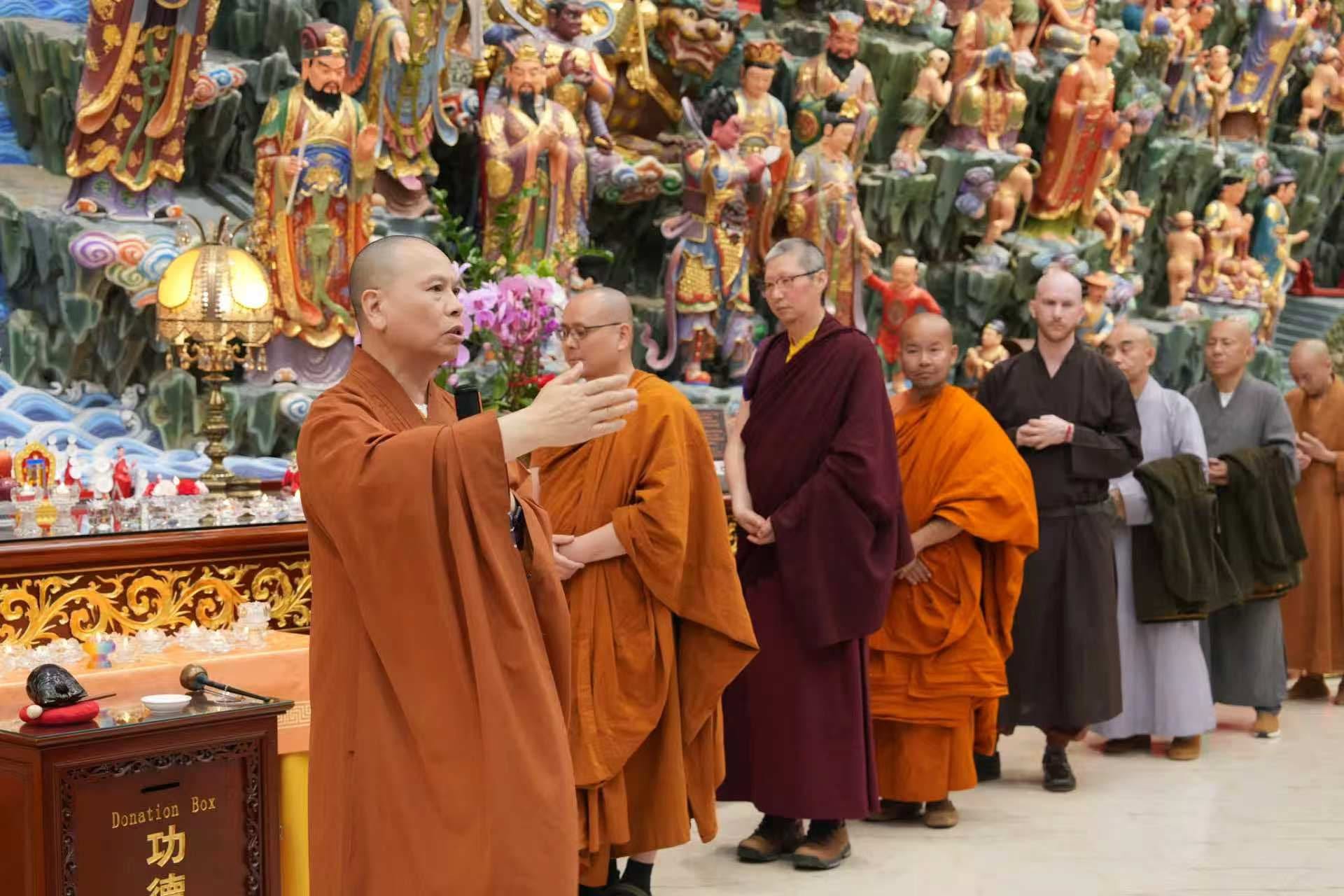
Someone asked me a really thoughtful question after my last post about the short-term monastic ordination at Wutai Shan: “If a monk pursues enlightenment and personal liberation from suffering, what purpose does that serve for civilization as a whole? And if everyone became a monk, who would have children, build families, work, make mistakes and contribute to society?”
I started thinking about it in a completely different way.
Practicing Buddhism is a little like going to university. The university is the School of the Dhamma, and the subject being studied is liberation from suffering. There are different levels of study, and people can participate according to their interest, ability and circumstances.
Most people don’t go to university because they intend to become professors. They study because they want to learn something, develop themselves, change careers, or simply understand a subject more deeply. And some people eventually decide they want to dedicate their entire lives to that field.
That’s how I see monastic life.
A monk isn’t someone who has been told that everyone needs to become a monk. A monk is more like someone who has decided to make the study and practice of the Dhamma their life’s vocation. It’s a lifelong commitment, much like becoming a professor or dedicating yourself to a particular field of study. And just as people can eventually leave academia and pursue another career, some people also disrobe and return to lay life.
The university isn’t asking everyone to become a professor. It simply provides a place where people can study.
And Buddhism has always had this same range of participation. There are laypeople who practice meditation when they have time, people who dedicate much more of their lives to the Dhamma, people who temporarily ordain, and people who choose to make monastic life their lifelong path. There is room for all of them.
But there is another important difference with this particular university: the subject isn’t mathematics, medicine or economics. The subject is the mind itself, and ultimately liberation from suffering.
The examination isn’t how much we know about Buddhism. It’s whether greed, hatred and delusion are actually becoming weaker in our lives. Are we becoming less reactive? Less attached? More compassionate? More peaceful? Are we creating less suffering for ourselves and the people around us?
And this brings me back to the question of whether enlightenment serves civilization.
I don’t think the value of a university is measured by whether everyone becomes a professor. Likewise, I don’t think the value of the Dhamma is measured by whether everyone becomes a monk.
Some people will raise families. Some will build businesses. Some will teach, create, heal, invent and serve their communities. And some will feel called to step away from those things and dedicate their entire lives to understanding the mind and the nature of suffering.
Perhaps what society needs isn’t for everyone to choose the same path, but for human beings to have the freedom to pursue different kinds of wisdom and different kinds of service.
And if someone spends their life studying liberation and becomes less driven by greed, hatred, fear and delusion, then that transformation doesn’t necessarily remain personal. They become a person who brings less suffering into their relationships, their community and the world around them.
The School of the Dhamma doesn’t need everyone to become a monk. It simply offers the opportunity to study the most important subject of all: how to become free.